Living in Guanacaste, Costa Rica: What Expats Need to Know Before They Move
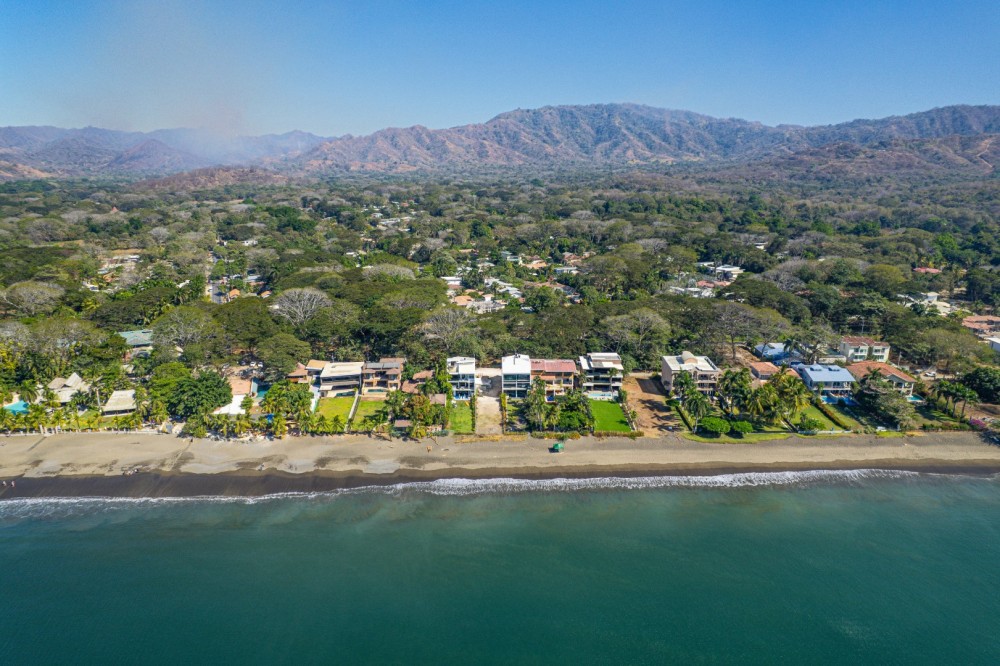
Guanacaste has become one of Costa Rica's most appealing regions for international buyers considering a move abroad. Located along the country's North Pacific coast, the province combines warm weather, Pacific beaches, established international communities and convenient access to Daniel Oduber Quirós International Airport near Liberia.
For retirees, remote professionals and families, the region offers an opportunity to experience Costa Rica's Pura Vida lifestyle while remaining connected to essential services, outdoor activities and international travel.
However, living in Guanacaste is very different from visiting on holiday. Choosing where to settle involves more than comparing beach views and property prices. Residency requirements, healthcare, household expenses, schools, transport and property ownership rules all deserve careful consideration.
Someone relocating to Playa Flamingo may have different priorities from a family moving to Tamarindo or a retiree looking for a quieter home near Potrero or Brasilito. Each community offers a different balance of amenities, property types and everyday conveniences.
Coldwell Banker Flamingo brings more than 21 years of local real estate experience to Costa Rica's Gold Coast, helping international buyers explore communities including Playa Flamingo, Reserva Conchal, Mar Vista, Las Catalinas, Pacific Heights, Potrero and Brasilito.
This comprehensive guide explains what you should know before moving to Guanacaste, Costa Rica, including the best places to live, residency pathways, realistic budgeting, healthcare, schools, property ownership and how to prepare for a successful relocation.
Why Guanacaste Appeals to International Buyers
Guanacaste offers a combination of natural beauty and established residential infrastructure that attracts buyers from the United States, Canada, Europe and other international markets.
Its Pacific coastline includes beaches, nature reserves, coastal villages and resort communities. Residents can enjoy swimming, boating, fishing, surfing, hiking and other outdoor activities throughout much of the year.
The province also benefits from Liberia International Airport, which provides connections to multiple North American destinations. This is particularly useful for buyers who expect to travel regularly or maintain family and business relationships abroad.
Another important advantage is the variety of residential communities. Some areas offer managed developments with security and shared amenities, while others provide independent homes in established Costa Rican neighbourhoods.
For buyers looking for a permanent residence, this variety makes it possible to match property preferences with everyday practical requirements.
Understanding Guanacaste's Climate
Guanacaste generally experiences a distinct dry season from December through April, followed by a wetter green season. Coastal areas often remain warm throughout the year, although rainfall, humidity and road conditions vary by location.
For homeowners, climate influences air-conditioning costs, garden maintenance, roof care and drainage requirements.
Prospective residents should experience both seasons where possible, particularly before purchasing property in rural or hillside locations.
For a closer look at regional weather conditions, read Coldwell Banker Flamingo's Guanacaste weather guide.
Where Should Expats Live in Guanacaste?
Choosing the right community is one of the most important decisions when planning a move to Costa Rica. While the province shares a coastal lifestyle, individual towns differ significantly in convenience, property availability and atmosphere.
Playa Flamingo: Established Coastal Living
Playa Flamingo is one of Guanacaste's best-known residential destinations, recognised for its white-sand beach, marina and established international community.
The area offers access to restaurants, boating facilities, nearby shopping and a range of residential properties. Buyers can find condominiums, individual villas, hillside homes and luxury properties.
Flamingo may be particularly appealing to retirees, boating enthusiasts and international buyers seeking a coastal home within reach of existing services.
However, property prices, homeowners' association fees and maintenance costs vary considerably between developments.
For more local information, explore Coldwell Banker Flamingo's complete Playa Flamingo property and lifestyle guide.
Tamarindo: Active Lifestyle and Commercial Convenience
Tamarindo is one of Guanacaste's busiest beach destinations, offering restaurants, shops, surfing and a well-developed tourism economy.
Its appeal lies in the convenience of having many services relatively close together. Professionals, younger retirees and households seeking an active lifestyle may find this attractive.
However, tourism activity can create seasonal congestion, noise and a different atmosphere from quieter coastal communities.
Buyers should investigate individual neighbourhoods carefully and consider how the town feels outside the peak holiday season.
Potrero and Surfside: Quieter Residential Communities
Potrero and Surfside are popular alternatives for buyers seeking a more relaxed coastal environment.
These communities offer access to beaches, restaurants and nearby services while remaining within reach of Playa Flamingo.
They may suit retirees, couples and remote professionals who prefer a quieter residential base without being completely removed from social activities.
When comparing properties, pay attention to road conditions, drainage, water supply, internet connectivity and proximity to everyday services.
Reserva Conchal and Brasilito: Resort Amenities or Traditional Village Life
Reserva Conchal is associated with managed residential developments and resort-style amenities, including recreational facilities and access to the surrounding coastal environment.
Properties within managed communities may offer convenient services, but they also carry homeowners' association obligations and community regulations.
Nearby Brasilito provides a different setting, with a more traditional coastal atmosphere, local businesses and access to surrounding beaches.
The choice between these locations often depends on whether buyers prefer resort-style facilities or a more independent residential experience.
Nosara and Sámara: Wellness and Relaxed Coastal Living
Nosara is well known for surfing, wellness activities and nature-focused living. It attracts buyers seeking a lifestyle centred around outdoor recreation and a strong international community.
Sámara offers a different beach-town atmosphere that may appeal to retirees, families and those seeking a quieter pace of life.
Both locations require careful consideration of healthcare access, schools, road conditions and property infrastructure.
They should not be compared directly with the Flamingo and Conchal corridor without considering these practical differences.
Guanacaste Communities Compared
The following table provides a practical overview of popular communities. It is intended as a lifestyle comparison rather than a ranking of investment performance.
| Location | Lifestyle | Property Considerations | Suitable For |
|---|---|---|---|
| Playa Flamingo | Marina, beaches and coastal amenities | Condominiums, villas and luxury homes | Retirees and coastal lifestyle buyers |
| Tamarindo | Busy beach town with restaurants and surfing | Tourism activity and neighbourhood variation | Active professionals and families |
| Potrero and Surfside | Relaxed residential coastal living | Road access, drainage and services | Full-time residents and second-home buyers |
| Reserva Conchal | Managed resort-style residential environment | HOA fees and community regulations | Buyers seeking managed amenities |
| Nosara | Surfing, wellness and nature | Infrastructure and accessibility | Remote professionals and wellness-focused buyers |
| Sámara | Relaxed beach-town atmosphere | Access to local services and housing options | Retirees and lifestyle buyers |
| Liberia | Urban services and airport proximity | Different housing stock from coastal markets | Families and buyers prioritising convenience |
There is no single best place to live in Guanacaste. The right choice depends on the size of your household, budget, medical requirements, schooling preferences and the type of daily lifestyle you want.
Before purchasing, consider spending time in several communities and comparing their practical advantages rather than focusing exclusively on beach proximity.

Understanding Costa Rica's Residency Options
Foreign nationals considering a permanent move to Costa Rica should investigate residency requirements well before relocating.
Purchasing property does not automatically grant residency, and immigration status is legally separate from the right to own real estate.
Costa Rica provides several residency categories for eligible applicants, including Pensionado, Rentista and Investor residency.
Pensionado Residency
Pensionado residency is designed for applicants who receive qualifying permanent pension income.
The commonly stated minimum requirement is US$1,000 per month from an eligible pension source, supported by the appropriate documentation.
This category may appeal to retirees with government, private or other qualifying pension arrangements.
However, applicants must confirm the current requirements, permitted work activities and renewal obligations with a qualified Costa Rican immigration adviser.
Rentista Residency
Rentista residency generally serves applicants who can demonstrate a reliable source of income without relying on a qualifying pension.
The commonly cited requirement is US$2,500 per month for a qualifying two-year period.
Acceptable evidence and financial arrangements vary according to the applicable immigration requirements, making professional advice important before moving funds or structuring investments.
Investor Residency
Investor residency may be available to foreign nationals who make qualifying investments in Costa Rica, including certain real estate investments.
Law 9996 and its implementing regulations introduced a US$150,000 investment framework. However, the legislation's five-year incentive period ended in July 2026, and applicants should confirm the current investment threshold, eligibility conditions and available benefits directly with the immigration authority or a qualified specialist.
Property ownership alone does not guarantee residency approval. Applicants must meet documentary, financial and immigration requirements.
Can You Buy Property Before Obtaining Residency?
Yes. Foreign nationals can generally purchase properly titled property in Costa Rica without first becoming residents.
This makes it possible to purchase a second home, spend time exploring the region or plan a future move while handling immigration arrangements separately.
However, the permitted duration of a visit depends on nationality and the conditions granted by Costa Rican immigration authorities.
Buyers planning to remain in the country permanently should obtain suitable immigration advice rather than relying on repeated tourist entries.
How Much Does It Cost to Live in Guanacaste?
Guanacaste's cost of living depends heavily on location, household size and lifestyle preferences.
Living in a managed coastal development may involve significantly different expenses from renting a modest home in an inland community.
Housing is usually one of the largest budget considerations, particularly in established international destinations such as Playa Flamingo and Tamarindo.
Other significant expenses may include electricity, groceries, healthcare, vehicle ownership, education and ongoing property maintenance.
Housing and Utilities
Coastal homes with swimming pools, large gardens and air conditioning can involve substantial maintenance and electricity costs.
Managed developments may include landscaping, security or shared facilities within homeowners' association charges, but these fees should be assessed carefully.
Buyers should request actual utility bills and community-fee information wherever available rather than relying on general cost estimates.
Food and Everyday Expenses
Grocery costs vary depending on where households shop and how frequently they purchase imported products.
Locally produced fruit, vegetables and other food items may offer better value than imported brands, while restaurants in popular tourism destinations can be considerably more expensive than local eateries.
A realistic budget should reflect how often you expect to dine out, travel or participate in paid activities.
Transport Costs
Many households find access to a vehicle useful, especially when living outside major towns or established public transport routes.
Vehicle purchase prices, insurance, maintenance and fuel should therefore be included in long-term planning.
Before choosing a home, consider whether one vehicle will be sufficient for your household and how frequently you expect to travel to Liberia or other regional centres.
Cost of Living Checklist
- Monthly rent or housing expenses.
- Electricity, water and internet.
- Groceries and household supplies.
- Vehicle ownership, insurance and fuel.
- Public healthcare contributions and private insurance.
- School fees and education-related expenses.
- Homeowners' association fees.
- Gardening, cleaning and property maintenance.
- Restaurants, recreation and travel.
- An emergency reserve for unexpected expenses.
For a more detailed breakdown, see Coldwell Banker Flamingo's Cost of Living in Costa Rica: A Complete 2026 Guide for Expats and Retirees.

Healthcare in Guanacaste: What Expats Need to Know
Healthcare access is an important consideration for anyone planning a permanent move, particularly retirees and families with ongoing medical requirements.
Costa Rica operates a public healthcare system through the Caja Costarricense de Seguro Social, commonly known as the CCSS or Caja.
Private medical services are also available, although the range of facilities varies between communities.
Public Healthcare Through Caja
Eligible legal residents generally enrol in the public healthcare system and make contributions in accordance with applicable requirements.
The system provides access to medical services through public clinics and hospitals, although waiting times and specialist availability can vary.
Residents in more remote coastal communities should investigate the travel time to appropriate medical facilities, particularly for emergency treatment.
Private Healthcare and Insurance
Private healthcare may provide additional options for consultations, diagnostic services and certain treatments.
Some international residents combine public healthcare with private insurance or pay directly for selected appointments.
Insurance arrangements should be evaluated carefully, particularly where policies contain exclusions, age-related restrictions or limits on specialist treatment.
Buyers should also confirm the availability of ongoing prescription medication and any services required for existing medical conditions.
Questions to Ask Before Relocating
- How far is the nearest suitable hospital?
- What emergency transport options are available?
- Are required prescription medications available locally?
- What does private insurance cover?
- Are specialist appointments available in the region?
- Will treatment require travel to San José or another city?
Healthcare should form part of the location decision, not simply something to organise after purchasing a home.

Can Foreigners Buy Property in Guanacaste?
Foreign nationals can generally purchase properly titled real estate in Costa Rica without first obtaining residency.
However, international buyers should understand the country's legal framework and complete appropriate due diligence before signing a purchase agreement.
Buying property in Costa Rica involves legal procedures that may differ from those used in the United States, Canada or Europe.
Understanding the Maritime Zone
One of the most important distinctions for coastal buyers concerns Costa Rica's Maritime Zone.
Subject to statutory exceptions and property-specific circumstances, this generally covers the first 200 metres inland from the ordinary high-tide line.
The initial 50 metres form a public zone, while the following 150 metres may be held through concession arrangements rather than ordinary private title.
Concessions involve special requirements and restrictions, including limitations on foreign ownership and control.
Therefore, buyers should never assume that a beachfront property carries unrestricted freehold title.
For more detailed information, Coldwell Banker Flamingo's 2026 Costa Rica property buying guide explains the purchase process and legal considerations for international buyers.
Legal Due Diligence Before Purchasing
An independent Costa Rican lawyer should verify the legal status of the property and investigate any restrictions before the buyer becomes contractually committed.
Important checks include:
- Registered ownership and title history.
- Survey plans and physical property boundaries.
- Recorded rights of access and easements.
- Water availability and service connections.
- Planning and construction approvals.
- Outstanding municipal taxes or other charges.
- Maritime Zone or concession restrictions.
- Homeowners' association rules and fees.
These checks are particularly important when purchasing rural property, coastal land or hillside homes where access and infrastructure can be more complex.
Buying Property in Your Own Name or Through a Corporation
Foreign buyers may consider purchasing property directly in their personal names or through a Costa Rican company.
Neither arrangement is automatically suitable for every situation.
Direct ownership may provide a simpler structure, while corporate ownership can introduce additional administration and reporting obligations.
Buyers should consider how the property will be used, whether it will produce rental income and how future resale or inheritance might be handled.
Corporate ownership should not be viewed as an automatic way to eliminate property taxes or transfer obligations.
Before choosing a structure, obtain independent Costa Rican legal and tax advice based on your financial circumstances.
What Are the Costs of Buying Property in Costa Rica?
In addition to the agreed purchase price, buyers should budget for legal work, registration charges, transfer taxes and appropriate due diligence.
Coldwell Banker Flamingo's published buying guidance uses approximately 4.5% to 5.5% of the purchase price as a practical planning range for many foreign-buyer transactions, depending on the structure and complexity of the purchase.
This is an indicative allowance rather than a quotation for a particular property.
Ongoing ownership costs may include municipal property tax, insurance, homeowners' association charges, utilities and regular maintenance.
For properties in coastal environments, additional attention should be given to corrosion, drainage, landscaping and air-conditioning systems.
A sensible purchasing budget should therefore account for both the transaction costs and the expenses of owning the property after completion.

Schools and Family Life in Guanacaste
Families considering relocation should begin researching schools early, ideally before selecting a permanent property.
Guanacaste offers Costa Rican public schools and private educational institutions, with differences in curriculum, language of instruction, fees and admissions requirements.
Some international families prefer bilingual or international programmes, while others choose local schools to support language development and integration.
International and Bilingual Schools
Families considering the Flamingo, Brasilito and Tamarindo corridor may investigate institutions such as La Paz Community School and CRIA, the Costa Rica International Academy.
Individual schools should be contacted directly to confirm current grade availability, curriculum, admissions procedures and fees.
Parents should also consider transport arrangements, school calendars, extracurricular activities and the practical journey from their intended home.
Choosing a Family-Friendly Community
School selection is only one part of relocating with children.
Access to healthcare, recreational activities, safe transport and opportunities to develop friendships may be equally important.
Families should spend time in prospective communities and consider how daily routines will work throughout the year.
A home with attractive views may be less practical if school journeys, shopping and medical appointments require substantial travel.

Daily Life in Guanacaste: Transport, Language and Community
Settling successfully in Guanacaste involves adjusting to a different culture, climate and approach to everyday services.
Although English is used in many tourism businesses and international residential communities, Spanish remains valuable for dealing with administration, contractors, healthcare providers and daily transactions.
Learning conversational Spanish can make it easier to form relationships and become part of the wider local community.
Getting Around Guanacaste
Many international households find access to a vehicle useful, especially when living outside major town centres.
Public transport is available on certain routes, but services may not offer the frequency or flexibility required for every household.
Road conditions vary considerably, particularly in rural and hillside areas.
When viewing property, buyers should investigate access during different weather conditions and consider the journey to essential services.
Internet and Remote Working
Reliable internet connectivity is essential for many remote professionals and households managing businesses internationally.
However, service quality can vary according to the precise address.
Prospective buyers should verify available providers, connection reliability, mobile coverage and possible backup arrangements before purchasing.
For remote workers, the availability of a suitable home office, backup power and consistent internet service may be more important than proximity to a particular beach.
Home Maintenance in a Tropical Climate
Warm temperatures, coastal humidity, salt air and seasonal rainfall can increase the need for regular property maintenance.
Air-conditioning equipment, roofing, exterior finishes, drainage and landscaping require ongoing attention.
For managed communities, review the services included within association fees and identify which expenses remain the individual owner's responsibility.
Should You Rent Before Buying in Guanacaste?
Renting before purchasing can be a practical option for international buyers who have not previously lived in the region.
A temporary rental allows you to experience the community beyond the holiday season and understand daily household expenses.
It can also help identify whether a particular location provides suitable access to healthcare, schools, shops and transport.
Spending time in Guanacaste during both the dry and green seasons can reveal differences in weather, road access and property maintenance requirements.
Before making a permanent purchase, buyers should consider whether the property will serve as a full-time residence, holiday home or investment asset.
Those objectives can substantially influence location choice, property requirements and ownership decisions.
Common Mistakes to Avoid When Moving to Guanacaste
Relocating successfully requires understanding the practical differences between visiting Costa Rica and establishing a permanent home.
Choosing a Location Based Only on Holiday Experience
A destination that feels ideal during a short holiday may offer a different experience during the rainy season or outside peak tourist periods.
Buyers should investigate year-round services, road conditions and everyday routines.
Underestimating Ownership and Maintenance Costs
Property costs extend beyond the purchase price. Insurance, utilities, maintenance, community charges and unforeseen repairs should be included in the budget.
Assuming Residency Comes Automatically With Property Ownership
Buying property and obtaining residency are separate legal matters. Applicants must satisfy the requirements of the relevant immigration category.
Not Checking Property Infrastructure
Water supply, electricity, internet connectivity, drainage and legal road access are important considerations, particularly for rural and hillside properties.
Failing to Obtain Independent Legal Advice
An independent Costa Rican lawyer should review ownership documents, title history, relevant permissions and financial obligations before completion.
These precautions can reduce the risk of unexpected complications after relocation.
A Practical Relocation Checklist
Before committing to a permanent move, prospective residents should organise the main stages of their relocation.
- Compare several Guanacaste communities.
- Visit during different seasons where possible.
- Research the appropriate residency category.
- Prepare a realistic monthly living budget.
- Investigate healthcare and insurance arrangements.
- Contact schools and confirm admissions requirements.
- Check internet connectivity and transport access.
- Review property ownership and coastal restrictions.
- Arrange independent legal due diligence.
- Consider renting before purchasing.
- Budget for property maintenance and unexpected costs.
- Build connections with local residents and service providers.
For a broader explanation of the relocation process, read Coldwell Banker Flamingo's guide to moving to Costa Rica from the United States or Canada.
Why Local Property Advice Matters
Buying property in an unfamiliar country involves decisions that cannot always be resolved through online listings alone.
Photographs may show the appearance of a home, but they cannot fully explain neighbourhood conditions, seasonal accessibility, ownership documents or practical access to services.
Coldwell Banker Flamingo works across Guanacaste's North Pacific Gold Coast, including Playa Flamingo, Reserva Conchal, Brasilito, Potrero, Surfside, Mar Vista, Pacific Heights and Las Catalinas.
Its local property experience can help international buyers compare residential communities and identify homes that align with their intended lifestyle.
For further regional information, see the agency's Guanacaste real estate guide for US and Canadian buyers.
Planning Your Move to Guanacaste?
Whether you are preparing for retirement, relocating with your family or exploring a second home along Costa Rica's Gold Coast, choosing the right property begins with understanding where and how you want to live.
Coldwell Banker Flamingo can help you explore residential opportunities across Playa Flamingo, Reserva Conchal, Potrero, Brasilito and neighbouring communities.
Contact Coldwell Banker Flamingo to discuss your preferred location, property requirements and relocation plans.
You can also email info@coldwellbankerflamingo.com.
Frequently Asked Questions
Is Guanacaste a Good Place for Expats to Live?
Guanacaste can be attractive to international residents because of its Pacific beaches, warm climate, airport connections and established coastal communities. However, suitability depends on personal priorities, including healthcare, schools, transport, housing costs and preferred lifestyle. Visiting several communities before purchasing is a sensible way to compare your options.
What Is the Best Area to Live in Guanacaste?
There is no single best area for every household. Playa Flamingo may appeal to buyers seeking coastal amenities and marina access, while Tamarindo offers a more active commercial environment. Potrero and Surfside may suit buyers looking for quieter residential surroundings, while Nosara attracts those interested in wellness and nature. The right choice depends on your budget and daily requirements.
Can Americans and Canadians Buy Property in Guanacaste?
Yes. Foreign nationals can generally purchase properly titled real estate in Costa Rica without first obtaining residency. However, coastal properties may be subject to Maritime Zone legislation and concession restrictions. Independent legal due diligence is essential before signing a purchase agreement.
How Much Money Do You Need to Live in Guanacaste?
The necessary budget depends on household size, housing choices, healthcare, transport and lifestyle. Popular coastal communities may have higher housing and service costs than inland locations. Prospective residents should prepare a detailed monthly budget based on current property and service quotations rather than relying exclusively on national averages.
Is Playa Flamingo Suitable for Permanent Living?
Playa Flamingo is an established residential and tourism destination with beach access, marina facilities, restaurants and nearby communities. It may suit retirees, couples and international buyers seeking coastal living. However, buyers should assess healthcare access, transport, maintenance costs and seasonal conditions before choosing a permanent residence.
Do You Need Residency to Buy Property in Costa Rica?
No. Foreign nationals can generally purchase titled property without Costa Rican residency. Immigration status and property ownership are separate legal matters. Anyone planning to live permanently in Costa Rica should investigate the appropriate residency category and obtain qualified immigration advice.
What Healthcare Options Are Available in Guanacaste?
Guanacaste has public healthcare services through the CCSS and various private medical providers. Available services vary by location, and specialist care may require travel to larger medical centres. Before relocating, confirm healthcare access, insurance arrangements, prescription availability and emergency transport options for your chosen community.
Are There International Schools in Guanacaste?
Yes. Guanacaste has private and international educational options, including institutions such as La Paz Community School and Costa Rica International Academy. Curriculum, admissions, fees and transport arrangements vary between schools. Parents should contact individual institutions directly to confirm current availability and requirements.
Should You Rent Before Buying in Guanacaste?
Renting before purchasing can help international buyers understand daily costs, transport, neighbourhood conditions and seasonal weather. It can be particularly useful for families and retirees who have only experienced Guanacaste during holidays. A rental period may also help confirm which community best suits long-term living.
Does Buying Property in Costa Rica Give You Residency?
Property ownership does not automatically grant residency. Certain qualifying investments may support an application under Costa Rica's investor residency rules, but applicants must satisfy current immigration requirements. Because the relevant legislation and associated incentives have changed, obtain up-to-date advice on the applicable investment threshold and documentation.
Final Thoughts: Preparing for Life in Guanacaste
Living in Guanacaste can offer an appealing combination of coastal scenery, outdoor activities and established international communities.
However, a successful relocation involves considerably more than finding an attractive property near the beach.
Residency requirements, healthcare, education, household expenses, property ownership and everyday transport should all form part of your planning process.
Choosing between Playa Flamingo, Tamarindo, Potrero, Brasilito or another Guanacaste community should reflect how you intend to live throughout the year rather than simply where you enjoyed spending a holiday.
Coldwell Banker Flamingo brings local real estate knowledge and international buyer experience to Costa Rica's North Pacific Gold Coast.
When you are ready to explore your options, contact Coldwell Banker Flamingo to discuss your preferred community, property requirements and plans for living in Guanacaste.
This article provides general relocation and property information only. Immigration requirements, tax rules, ownership costs and legal procedures may change. Obtain advice from appropriately qualified Costa Rican legal, tax, immigration and healthcare professionals before making decisions.