Costa Rica Investment Property: What Foreign Buyers Should Know Before Buying in Guanacaste
If you are researching a Costa Rica investment property, the challenge is rarely finding a beautiful home. It is deciding whether the legal structure, operating costs, use restrictions, rental economics and eventual resale market make sense for the way you plan to own it. For US and Canadian buyers, the starting framework is encouraging, but the property still needs to pass a disciplined due-diligence process.
Already comfortable with the basics and ready to see inventory? Browse current Guanacaste properties or contact Coldwell Banker Flamingo with your budget, preferred communities and intended use. If you first need the transaction sequence, read our complete 2026 guide to buying property in Costa Rica.
Key Takeaways for a Foreign Investment Buyer
- Foreigners can generally buy standard titled property without first becoming Costa Rican residents; Maritime Zone concessions are a separate legal category.
- Judge rental performance on realistic net owner cash flow, not an advertised nightly rate.
- Model the complete carrying cost: tax, HOA/condo fees, insurance, utilities, maintenance, management and replacement reserves.
- Choose the ownership model that matches the property's job: personal use, rental flexibility, long-term hold, low-maintenance ownership or development.
- Use an independent Costa Rican attorney for title, cadastral, zoning, water, HOA and property-specific due diligence.
Can Foreigners Buy Investment Property in Costa Rica?
Yes, for standard titled property, residency is generally not a prerequisite to purchase. Article 19 of Costa Rica’s Constitution provides foreigners the same individual and social rights as Costa Ricans, subject to the exceptions and limitations established by the Constitution and other laws. That qualification matters: ordinary titled ownership and coastal concession rights are not the same thing.
With properly registered titled property, a foreign buyer can generally acquire the property personally or through an appropriate legal entity, subject to the same property-specific restrictions, zoning, condominium rules and other laws that apply to the asset. The right ownership structure should be chosen with your Costa Rican attorney and tax adviser rather than copied from another buyer.
The Coastal Exception: Understand Costa Rica’s Maritime Zone Before You Buy
Costa Rica’s Maritime Zone Law (Law 6043) defines a 200-metre coastal strip measured from the ordinary high-tide line. The first 50 metres are the public zone. The following 150 metres are the restricted zone, where use may be governed through a municipal concession rather than ordinary fee-simple title.
This is the point where many oversimplified buyer guides become dangerous. A concession is not simply “the same property with a different deed.” Article 47 of Law 6043 places specific restrictions on who may receive concessions, including restrictions affecting foreigners who have resided in Costa Rica for fewer than five years and entities with more than 50% foreign capital. Other exceptions and pre-existing titled situations can also affect coastal property.
If beachfront or water proximity is central to your search, compare current beachfront properties and Marina Flamingo-area inventory, but treat the listing as the beginning of legal verification, not the conclusion.
First Decide What Job the Property Needs to Do
A property that works as a winter home with occasional rentals may be a poor choice for a buyer prioritizing maximum rental flexibility. Before you compare listings, define the role of the asset:
- Personal use first, rentals second: prioritize the community and lifestyle you actually want, then confirm the property’s rental rules and management options.
- Rental income is important: scrutinize guest access, bedroom mix, parking, HOA/condominium rules, management fees, cleaning, utilities, seasonality and owner-use periods.
- Long-term hold: assess infrastructure, community maturity, future supply, ease of maintenance and how broad the eventual resale audience may be.
- Low-maintenance ownership: compare condominiums, managed communities and lock-and-leave layouts rather than assuming a large private home will produce a better return.
- Land or development: legal access, water availability, zoning, buildability, utilities and survey/boundary work become central. Start with land for sale, then verify feasibility independently.
What Does It Cost to Buy and Hold Costa Rica Real Estate?
The safest way to model a purchase is to separate statutory taxes from transaction-specific professional and operating costs.
At purchase
The real-estate transfer tax is 1.5% under Law 6999. Other closing items can include notary/legal work, National Registry charges and stamps, escrow/compliance costs, due diligence, surveys and where appropriate corporate work. Coldwell Banker Flamingo’s existing buyer guide uses roughly 4.5%–5.5% of purchase price as a practical planning range for many foreign-buyer transactions. That is a budgeting estimate, not a legal tariff. Ask your attorney for a property-specific closing statement before signing.
During ownership
Annual municipal property tax is 0.25% of the registered taxable value under Law 7509. Do not confuse that value with the listing price or automatically assume it equals the purchase price. Then add the recurring costs that often matter more to a coastal investor: HOA or condominium fees, insurance, electricity, water, internet, pool and landscape care, preventive maintenance, repairs, replacement reserves and property management.
On rental income and eventual sale
Costa Rican source rental activity and the sale of a property can create Costa Rican tax obligations. The Ministry of Finance currently lists a 15% capital-gains rate for gains on the sale of assets, with a transitional first-sale option of 2.25% of gross sale price for qualifying property acquired before 1 July 2019. See the current Ministry of Finance capital-income and capital-gains rates. Your actual tax treatment can depend on facts such as habitual-residence exemptions, business activity, domicile and ownership structure.
For US and Canadian owners: Do not assume Costa Rican treatment is the end of the analysis. Rental income, foreign entities, bank accounts and capital gains can create home country filing or tax consequences. Use advisors who understand both jurisdictions.
Rental Potential: Model Net Reality, Not the Nightly Rate
A listing’s advertised nightly rate is not a return. A useful rental model should show what happens after seasonality, owner use, management, cleaning, platform/marketing costs, utilities, maintenance, HOA fees, insurance, replacement reserves and taxes. If a seller, developer or manager provides a projection, ask what occupancy assumptions were used and whether the figure is gross revenue, operating income or true owner cash flow.
Also verify that short-term rentals are allowed under the condominium/HOA documents and any property-specific rules. A legally ownable property is not automatically a freely rentable property.
Questions to ask before trusting a rental projection
- Is the occupancy assumption based on the specific property, a comparable set or the entire market?
- Does the projection include high, shoulder and green-season performance or only peak weeks?
- Are management, cleaning, utilities, HOA fees, insurance and maintenance included?
- Does the property have documented historical results, and can those records be reconciled to actual bookings or financial statements?
- How many weeks of owner use are assumed?
- What future capital expenses are likely for roof, air conditioning, appliances, pool equipment, exterior finishes or furnishings?
- What tax and registration obligations apply to the planned rental activity?
Already comparisng actual properties?
Browse current Guanacaste properties and tell Coldwell Banker Flamingo whether the property is mainly for personal use, rental income, a long-term hold or a combination. That lets the team filter the inventory around the investment model rather than just bedroom count.
Why Guanacaste Is Often the First Region International Buyers Compare
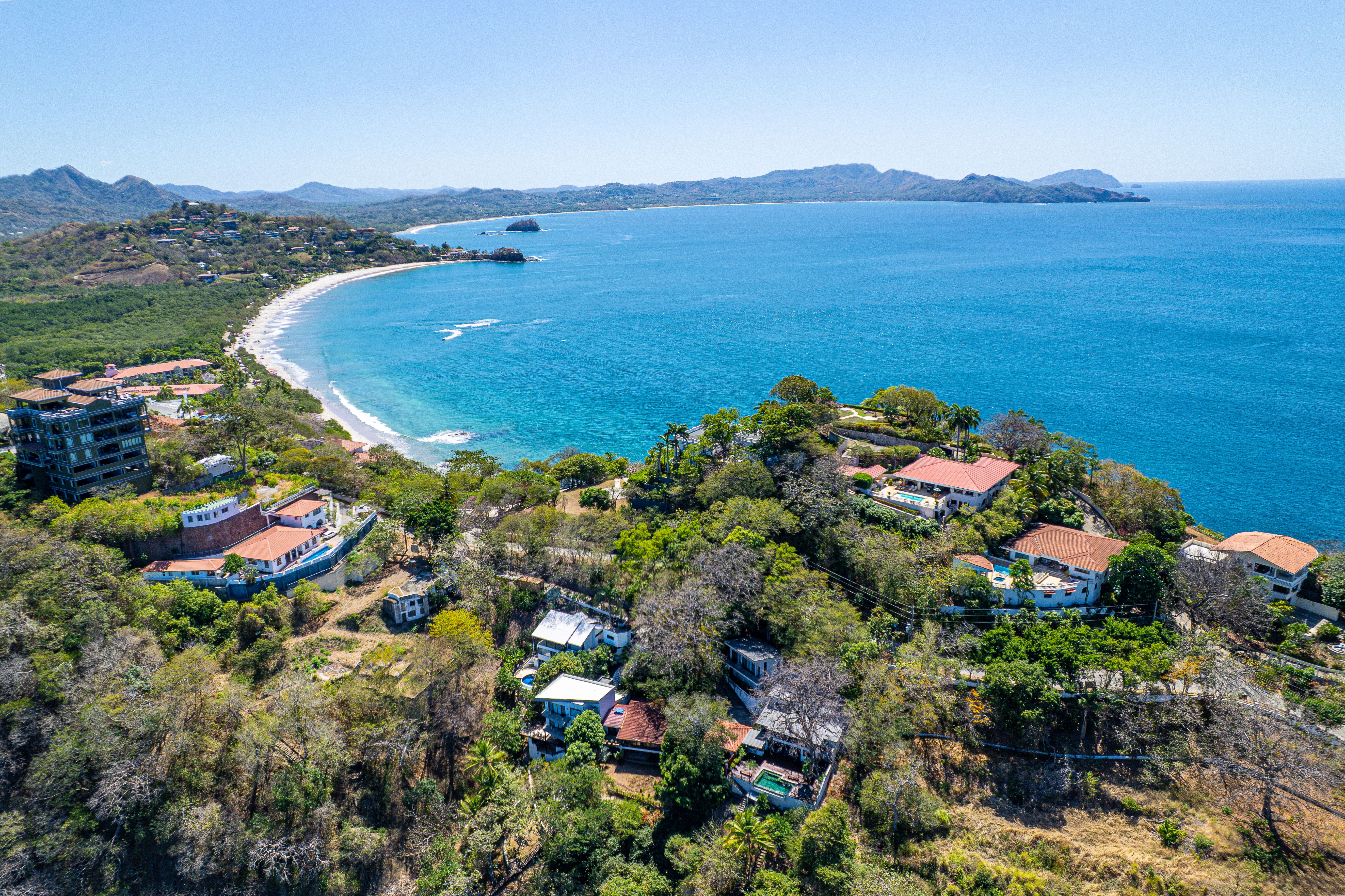
Guanacaste’s North Pacific coast combines established international communities with access to Guanacaste Airport (LIR), which currently lists direct destinations across the United States and Canada. But “Guanacaste real estate” is not one market. Start with our Guanacaste regional guide to understand the corridor before comparing individual homes.
Infrastructure can also reshape a micro-market. The Marina Flamingo real estate guide explains why the marina corridor deserves separate consideration from a generic “Costa Rica beach property” search.

Four Guanacaste Ownership Models Worth Comparing
Playa Flamingo: central Gold Coast location, beach and marina access, established services and a broad mix of condos and homes. Read the Playa Flamingo buyer’s guide or browse Flamingo homes for sale.
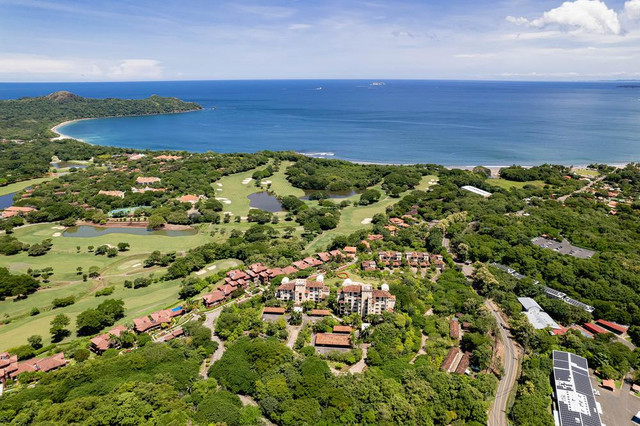
Reserva Conchal: resort-managed living with substantial amenity infrastructure and a more controlled ownership environment. Browse Reserva Conchal listings.
Mar Vista: gated hillside living with ocean views and access to day-to-day infrastructure. Read the Mar Vista living guide or browse Mar Vista real estate.
Las Catalinas: a purpose-built, walkable coastal village model with a very different ownership and visitor experience. Browse Las Catalinas listings.
Also compare Potrero & Surfside for a more residential coastal setting, Pacific Heights for hillside ocean-view inventory, and ocean-view homes across the region if the property characteristic matters more than the town name.
If a managed resort model appeals to you, the Reserva Conchal real estate and community guide explains the individual enclaves, amenities, ownership experience and trade-offs in more depth.
Costa Rica Investment Property Due-Diligence Checklist
- Title / legal status: have your own attorney verify the registered owner, liens and encumbrances, cadastral plan, legal access and whether the property is titled, condominium property or subject to a concession regime.
- Zoning and permits: confirm municipal zoning, building permits and any use restrictions relevant to renting, remodeling or development.
- Water and utilities: for land or development, verify legal water availability, electricity/internet feasibility and any infrastructure obligations.
- Condominium / HOA documents: read fees, reserves, pending assessments, short-term-rental restrictions and rules affecting guests, pets, parking or renovations.
- Physical inspection: inspect structure, roof, electrical, plumbing, air conditioning, drainage, pool systems and signs of moisture/corrosion appropriate to a tropical coastal environment.
- Management: know who handles guest issues, maintenance, emergencies, cleaning, pool care and owner reporting when you are abroad—and what each service costs.
- Historical rental evidence: request support for performance claims rather than relying on marketing projections.
- Resale audience: ask who is likely to buy this property later. Clear title, practical access, usable layouts, infrastructure and broadly desirable locations generally widen the future buyer pool.
When the time comes to sell, representation structure also matters. Our guide to exclusive vs. open listings in Costa Rica explains the difference.

Financing a Costa Rica Investment Property as a Foreign Buyer
Financing exists, but access, documentation, loan-to-value requirements, pricing and approval timelines vary materially by lender and residency profile. Many international buyers use cash, home-country liquidity or other financing arranged outside Costa Rica; some listings may offer seller financing. Do not build a purchase timeline around financing assumptions until a lender has reviewed your actual profile.
Frequently Asked Questions
Can an American or Canadian own investment property in Costa Rica?
Generally yes for standard titled property, and residency is not normally required to purchase it. Maritime Zone concessions and other special cases are different and require legal review.
What are typical closing costs on a Costa Rica investment property?
Transfer tax is 1.5% by law. Total closing costs vary by transaction. Coldwell Banker Flamingo's practical planning range for many foreign-buyer purchases is roughly 4.5%–5.5% once legal/notary work, registry charges, escrow/compliance, due diligence and other items are considered. Get a transaction-specific quote from your attorney.
How much is annual property tax in Costa Rica?
The general annual municipal property tax rate is 0.25% of the registered taxable value under Law 7509.
Do I need residency before I buy?
No for a standard titled purchase. Property ownership and immigration status are separate processes.
Can I rent out my property?
Often, but not automatically. Confirm the condominium/HOA rules, property-specific restrictions, management setup and tax/registration obligations before buying.
Do I need a Costa Rican corporation to hold the property?
Not as a universal rule for standard titled property. The best structure depends on liability, estate planning, tax and management considerations. Maritime Zone concessions have separate restrictions.
Can a foreign buyer get a mortgage in Costa Rica?
Sometimes. Nonresident access, pricing, documentation and underwriting vary by bank, so financing should be pre-qualified before it becomes part of the purchase plan.
Where should I start looking in Guanacaste?
Start with intended use. A central Flamingo home, resort residence in Reserva Conchal, gated hillside property in Mar Vista and walkable home in Las Catalinas solve different ownership problems.
Related Guides
- Buying Property in Costa Rica: Complete 2026 Guide — ownership, due diligence and closing.
- Playa Flamingo: Complete Guide to Living, Visiting & Buying — current community and property context.
- Reserva Conchal: Real Estate, Community & Life Inside the Resort — managed resort ownership in detail.
Ready to Evaluate Investment Property in Guanacaste?
The best investment property is not necessarily the listing with the strongest view or the most optimistic rental spreadsheet. It is the property whose legal status, true carrying costs, community, rental rules, management structure and future resale audience fit the way you intend to own it.
Start with current Costa Rica properties, compare Guanacaste inventory, or contact Coldwell Banker Flamingo with your budget, intended use and preferred communities. We can narrow the search before you spend time on properties that were never going to fit the plan.
Important: This article is general information, not legal, tax or investment advice. Laws, administrative practices and tax treatment can change. Verify your specific property and circumstances with an independent Costa Rican attorney and qualified tax advisers in each relevant jurisdiction.